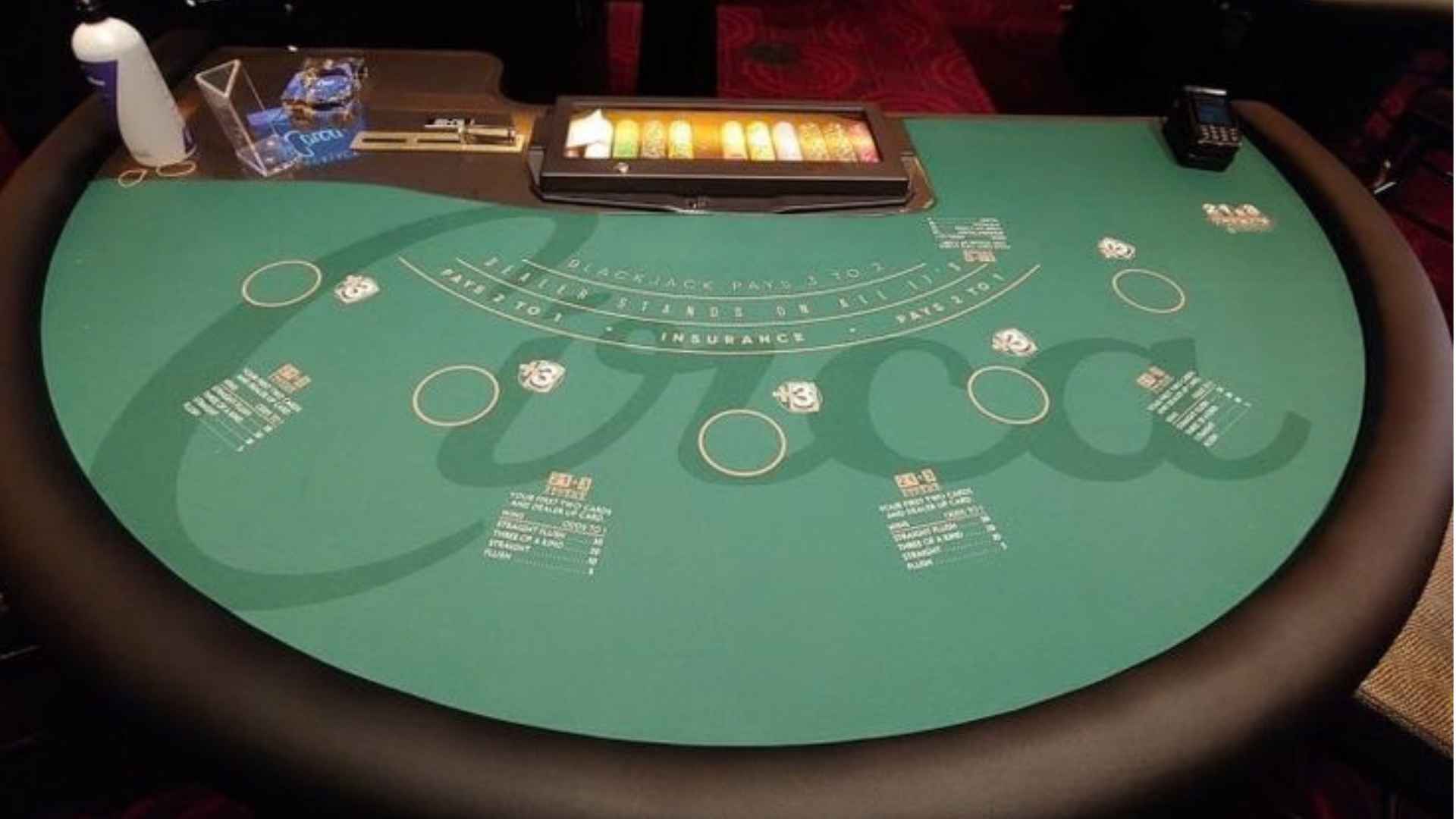
Achieving long-term profitability at the poker table is rarely about a single spectacular play or an occasional stroke of luck. Instead, sustainable success is built on a foundation of disciplined, incremental choices executed consistently during every single session. By focusing on refining your routine mechanics, you can steadily minimize costly errors and gain a major competitive advantage over your opponents.
Evaluating Your Initial Range Selections
The foundation of every profitable poker session begins long before the community cards are revealed on the felt. Cultivating strict preflop discipline allows you to filter out marginal starting combinations that frequently lead to complex, high-risk scenarios later on. Over time, making the conscious choice to fold subpar holdings protects your bankroll and preserves your mental energy for highly profitable opportunities.
Your physical position relative to the dealer button dictates how flexible your starting requirements should be. Playing wide card combinations from early position places you at a severe tactical disadvantage for the remainder of the round. Experienced competitors realize that selective participation remains one of the most reliable methods for maintaining control over your chip stack.
Mastering the Power of Positional Leverage
Table position is widely considered by veterans to be a highly critical element of any sustainable winning strategy. Acting last gives you the immense benefit of gathering visual and behavioral information on every opponent before committing your own chips. Disregarding this positional advantage routinely forces you into making incredibly difficult decisions under intense pressure from aggressive players.
Consistently entering pots out of position encourages guesswork rather than accurate evaluation of shifting conditions. By focusing your selective aggression when you hold a late position, you can easily control the final size of the pot. Utilizing a trusted platform like Mansion88 to practice these situational adjustments can dramatically improve your real-time execution.
Managing Emotional Reactions and Game Variance
Maintaining complete psychological stability is what separates seasoned professionals from casual enthusiasts over thousands of hands. Allowing a sudden bad beat or a temporary losing streak to trigger frustration frequently results in a highly destructive state known as tilt. Once objective logic is replaced by emotional impulses, the overall quality of your tactical decisions deteriorates rapidly.
A calm, analytical mindset ensures that every wager or defensive fold is firmly backed by mathematical probability. Recognizing the initial signs of emotional exhaustion allows you to step away from the table before jeopardizing your hard-earned progress. Cultivating internal resilience remains just as important as mastering the underlying card percentages.
Analyzing Past Performances for Continuous Growth
Sustained improvement requires a dedicated commitment to reviewing your previous hand histories outside of live game environments. Examining the specific moments where you lost chips unnecessarily helps identify hidden behavioral patterns that require immediate adjustment. This routine practice transforms past failures into valuable educational milestones that enhance your future judgment.
Adapting your strategic framework to match shifting table dynamics keeps your play style balanced and unpredictable. Opponents will find it incredibly difficult to exploit your tendencies when you are constantly refining your approach based on factual data. Dedicating time to daily self-reflection ensures steady development as a proficient strategic thinker.