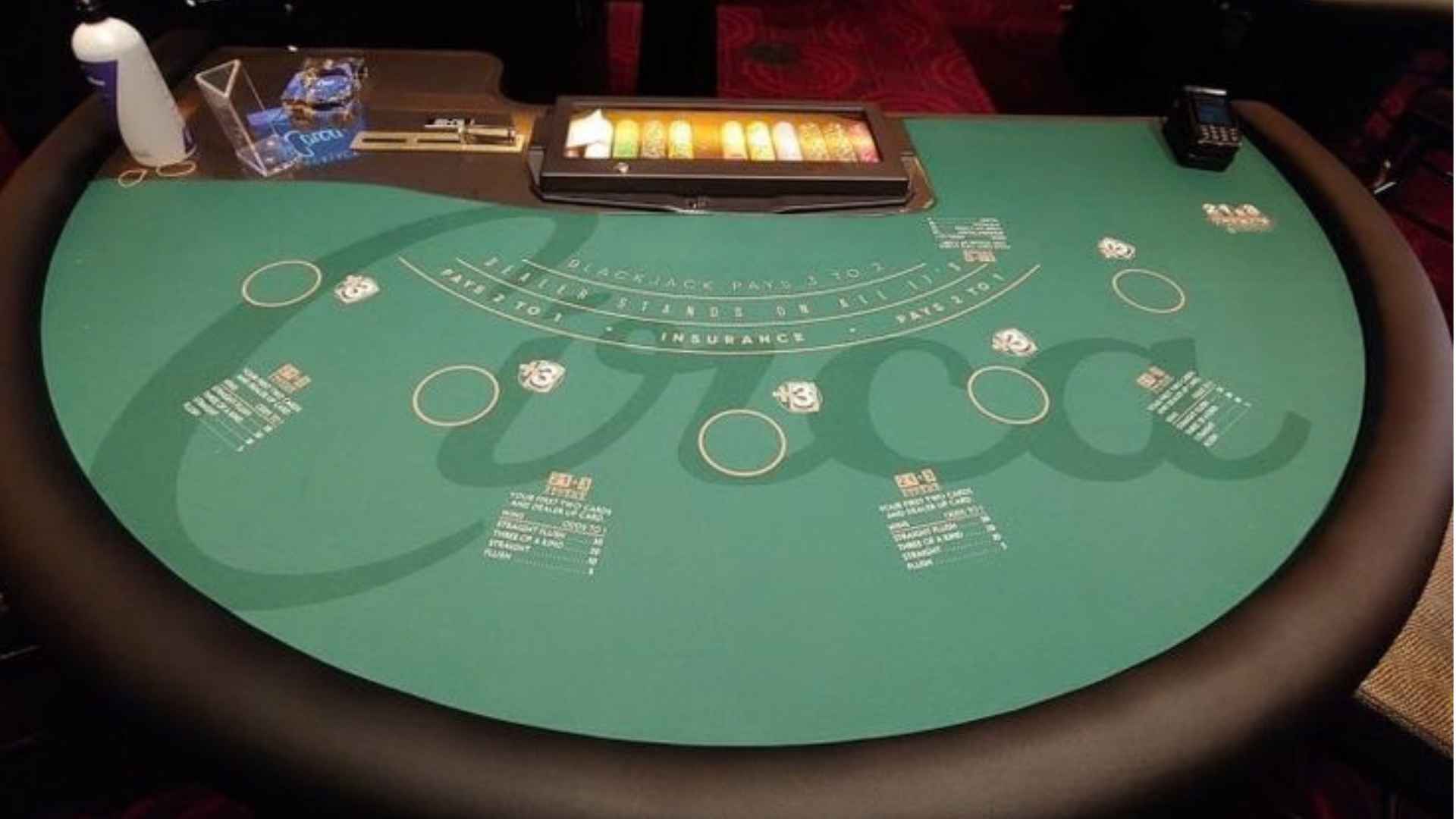
The relationship between gambling establishments and their clientele has undergone a profound transformation over the last few centuries. Early wagering environments relied heavily on communal cooperation, where players actively managed game functions and shared financial liabilities. Exploring this shifting dynamic reveals how modern gaming systems grew out of historical traditions centered on direct engagement.
The Shared Responsibilities of Early Gaming Salons
In the private gambling clubs of eighteenth-century Europe, the boundary between the house and the player was fluid. Participants frequently took turns acting as the banker, meaning they used personal capital to cover opposing wagers. This cooperative framework transformed standard card games into deeply social rituals that demanded mutual accountability.
Because the operational responsibilities rotated among attendees, every individual remained highly focused on the collective actions of the table. Physical seating arrangements and observational skills played a critical role in how participants mitigated risks during a live session. This immersive structure ensured that early gaming remained a localized, community-driven pastime.
The Transition Toward Centralized House Control
As wagering activities shifted from exclusive clubs into commercial brick-and-mortar venues, the operational model changed significantly. Newly established commercial casinos began standardizing rules to streamline game speed and maximize crowd capacity. This period marked the birth of the permanent corporate dealer, which removed the burden of financial management from the patrons.
By transforming the banker into a fixed institutional entity, venues minimized disputes and created a predictable playing environment. Players transitioned from active co-managers of the table's capital into passive participants wagering against a centralized system. While this shift reduced personal accountability, it vastly increased the accessibility of popular tabletop games.
The Digital Transformation and Interactive Choice
The advent of the internet sparked another major shift by moving traditional layout formats onto digital platforms. Modern software solutions completely automated card handling, score tracking, and betting calculations for players worldwide. This technological evolution removed physical spatial constraints, allowing enthusiasts to connect with live entertainment options at any time.
Contemporary platforms successfully blend automated efficiency with interactive elements to restore a sense of personal involvement. For instance, individuals exploring modern sports wagering or live streaming variants can easily access platforms like m88 the thao to engage with real-time options. This modern integration provides unprecedented convenience while maintaining the competitive spirit of early gaming traditions.
Balancing Historical Customs with Modern Autonomy
Today, the gaming industry continues to evolve by analyzing how different generations prefer to engage with traditional mechanics. While automated platforms offer fast outcomes, many contemporary designs reintroduce elements of strategic player choice to mirror classic table dynamics. This balanced approach ensures that modern variations remain intellectually stimulating for analytical minds.
Ultimately, analyzing the evolution of participant dynamics helps enthusiasts appreciate the structural design of contemporary casino games. Recognizing the shift from shared communal risk to individual digital convenience highlights the resilience of core gaming principles. By understanding this rich heritage, modern players gain a deeper perspective on the sophisticated landscape of global casino history.