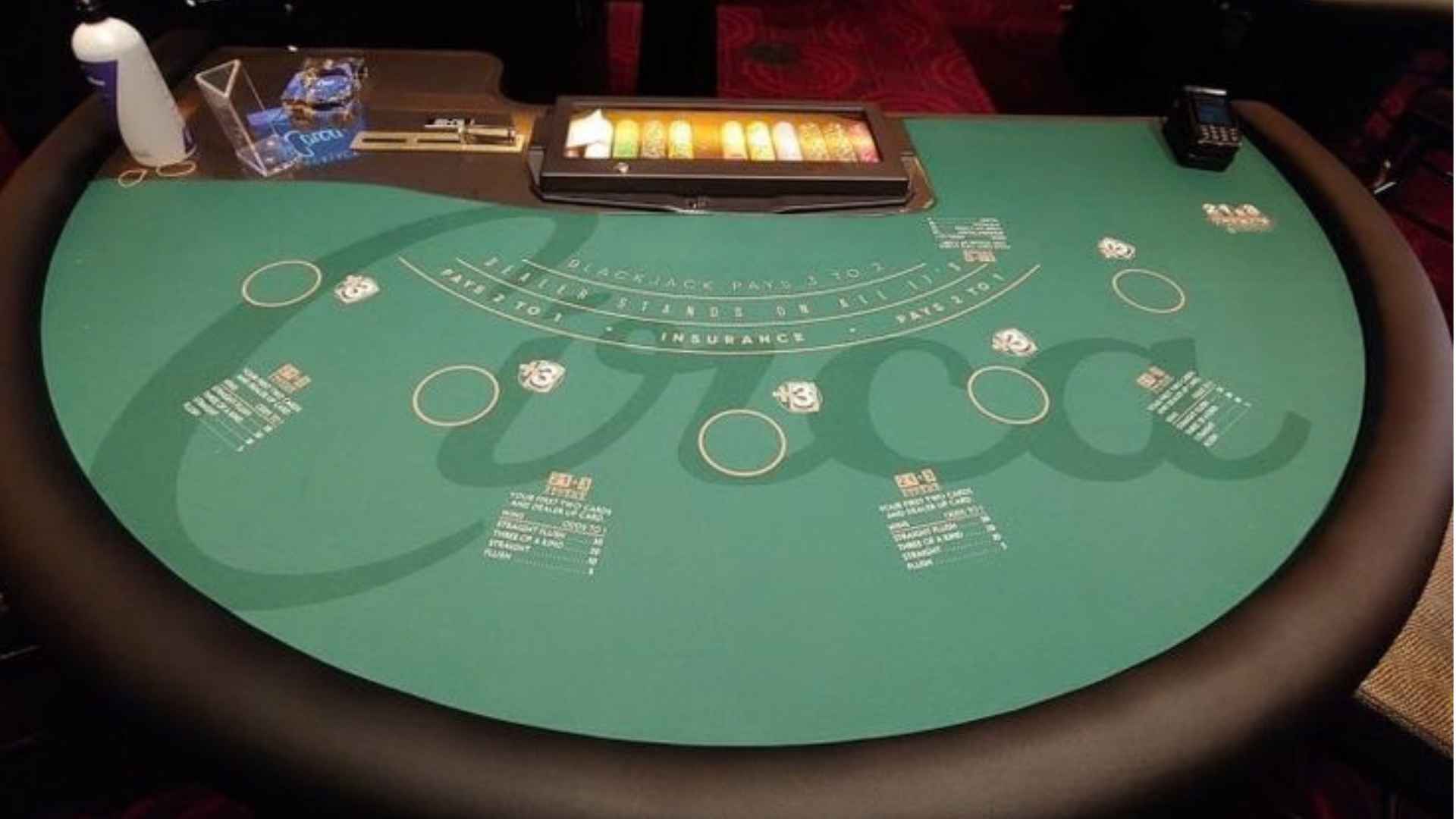
Baccarat has journeyed through centuries of transformation, evolving from an elite pastime in European salons into a digital cornerstone of modern casino gaming. While the foundational objective of comparing hands remains steady, contemporary platforms have reintroduced historic variations to cater to diverse player preferences. Exploring these distinct setups highlights how ancient table traditions gracefully merge with advanced gaming software.
The Aristocratic Roots of Chemin de Fer
Chemin de Fer represents the historical heart of baccarat, featuring active player choices that completely reshape standard table momentum. Unlike modern automated versions, the participants take turns acting as the banker and directly financing the active table wagers. This classic setup demands deliberate decision-making, as the active player decides whether to draw a third card based on subtle tactical strategies.
The preservation of this variant in premium gaming circles bridges the gap between old-world aristocratic culture and modern entertainment. Players who appreciate the social interaction and psychological depth of vintage card rooms frequently seek out this traditional format. It serves as a reminder that baccarat was once a collaborative, highly interactive experience rather than a fast-paced game of pure chance.
Punto Banco and the Transition to Modernity
Punto Banco simplified the intricate customs of traditional baccarat, transforming the game into a highly efficient and standardized casino attraction. In this modern framework, the house manages the bankroll continuously, and card distribution follows fixed third-card rules without any player intervention. This streamlined approach removed the traditional intimidation factor, opening the game up to casual audiences across the globe.
By standardizing the operational rhythm, casinos managed to maximize table velocity while maintaining the elegant suspense of the original pastime. Analytical enthusiasts often track shoe patterns on digital interfaces to find their rhythm, a practice heavily supported by modern informational portals like depo boss which highlight strategic updates. This seamless blend of fixed mechanical rules and digital accessibility defines the modern gaming era.
Baccarat Banque and Extended Strategic Sessions
Baccarat Banque offers another fascinating historical alternative, featuring a more permanent banking structure that appeals to analytical high rollers. The position of the banker is typically awarded to the participant willing to risk the largest amount of capital over an extended series of rounds. Furthermore, the dealer distributes cards across two distinct sides of the table, allowing a larger crowd to participate simultaneously.
This extended structural design allows for deeper bankroll management and tactical pacing that is often absent from rapid-fire online alternatives. The formal rules ensure that the banker retains their position until their capital is fully exhausted or they choose to retire. It remains a definitive fixture in premium gaming halls for individuals who wish to experience historic table gravity.
The Digital Expansion of High Speed Variants
The rise of virtual gaming networks has given birth to hyper-efficient variants such as Mini Baccarat and Speed Baccarat. These contemporary adaptations utilize smaller virtual spaces and eliminate traditional card-handling rituals to complete rounds in a fraction of the usual time. This incredible operational efficiency allows modern participants to enjoy a high volume of hands during relatively short sessions.
Advanced streaming technology and random number generators ensure that despite the accelerated pace, game integrity remains completely flawless. By blending classic drawing rules with modern digital convenience, software developers have successfully preserved historical mechanics for a new generation. This ongoing synthesis ensures that baccarat remains a versatile and evergreen favorite in the global entertainment market.